
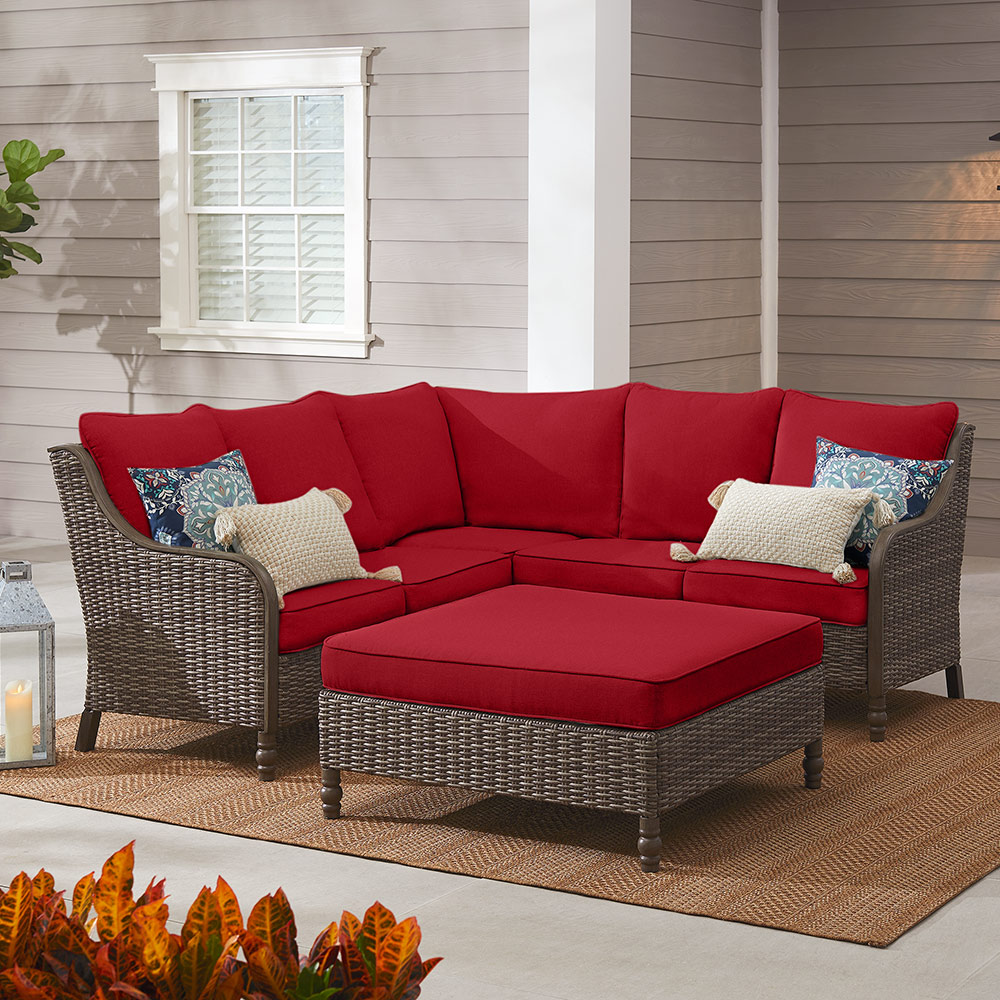
Outdoor furniture can remain useful for many years, but cushions often show signs of wear before the furniture itself. Replacing old padding can restore comfort and refresh the appearance of your patio without requiring an entirely new furniture set. Wicker Replacement Cushions are an excellent option for updating worn chairs, sofas, loungers, and other woven outdoor seating while maintaining the existing furniture frame.
Choosing Wicker Replacement Cushions requires more than finding a color you like. Correct measurements, suitable filling, durable fabric, weather resistance, and proper construction all influence how comfortable and long-lasting the cushions will be. Taking time to compare these features can help you find replacements that fit your furniture properly and perform well during regular outdoor use.
High-quality Wicker Replacement Cushions can also transform the overall appearance of your outdoor area. A fresh set of cushions can introduce new colors, patterns, and textures while making older furniture look refreshed. Whether you are updating a patio, balcony, garden seating area, or covered outdoor space, selecting the right cushions can provide an affordable way to improve both comfort and style.
Start With Accurate Measurements
The first step in choosing replacement cushions is measuring your existing furniture. Even a small difference in dimensions can affect how well a cushion fits.
Measure the width, depth, and length of each seating area. If you are replacing back cushions, measure their height and width separately. For L-shaped sofas or sectionals, measure each individual section.
Avoid relying only on the dimensions of your old cushions, especially if they have become compressed or misshapen. Measuring the furniture itself can provide a more accurate idea of the size you need.
Consider the Cushion Shape
Outdoor furniture comes in many different shapes, so replacement cushions are not always interchangeable. Some chairs have rounded backs, while others feature square or rectangular seating areas.
Look carefully at the shape of your furniture before ordering replacements. Curved edges, angled backs, and unusual seat designs may require cushions made to specific dimensions.
A cushion that matches the shape of the furniture will generally look more polished and remain more securely in place.
Choose the Right Thickness
Cushion thickness has a major impact on comfort. Thin cushions may be appropriate for dining chairs, while lounge furniture often benefits from thicker padding.
Consider how the furniture will be used. If you spend long periods reading, relaxing, or entertaining outdoors, supportive and adequately thick cushions can improve the seating experience.
However, thicker is not automatically better. The density and quality of the filling are equally important. A well-made cushion can provide excellent support without being excessively thick.
Select Comfortable Filling
The filling inside the cushion determines how it feels when you sit down. Different materials offer different levels of softness, support, and resilience.
Foam fillings can provide consistent support and are often suitable for seats that receive frequent use. Polyester fiber can provide a softer and more relaxed feel.
Some outdoor cushions combine different materials to balance comfort and durability. Consider your personal preferences and the type of furniture before choosing the filling.
Look for Outdoor-Grade Fabric
Outdoor cushions need fabrics that can handle more demanding conditions than indoor cushions. Sunlight, moisture, dust, spills, and temperature changes can all affect fabric quality.
Look for materials specifically designed for outdoor use. UV-resistant fabric can help reduce fading caused by prolonged sunlight, while stain-resistant materials can make everyday maintenance easier.
If your patio receives direct sunlight for many hours each day, fabric quality becomes especially important.
Consider Water Resistance
Moisture is one of the biggest challenges for outdoor cushions. Rain, humidity, spills, and morning dew can all affect cushion performance.
Water-resistant fabrics can help prevent moisture from quickly penetrating the cushion. However, water-resistant does not necessarily mean completely waterproof.
When cushions become wet, allow them to dry thoroughly before storing them. Proper ventilation and drying can help maintain freshness and reduce moisture-related problems.
Check the Cushion Construction
Pay attention to the stitching and seams when comparing replacement cushions. Strong stitching can help the covers withstand regular use and movement.
Look for well-finished edges, durable zippers, and reinforced seams. Piping around the edges can provide additional structure while giving cushions a neat appearance.
If the covers are removable, check how easily they can be taken off. Removable covers are convenient for cleaning and can help extend the useful life of the cushions.
Choose a Style That Matches Your Patio
Replacement cushions are an opportunity to update the appearance of your outdoor furniture. Consider colors and patterns that complement your existing décor.
Neutral shades such as beige, gray, cream, and brown can create a sophisticated look. Brighter colors can add personality and make the patio feel more energetic.
Patterns can also introduce visual interest. Stripes, geometric designs, floral patterns, and other prints can work well depending on the style of your outdoor space.
Think About UV Protection
Sun exposure can gradually cause outdoor fabrics to fade. If your furniture is positioned in direct sunlight, UV-resistant materials can be particularly valuable.
UV protection does not mean that fabric will never fade, but it can help reduce the effects of prolonged sunlight.
Consider placing furniture under a shade structure, umbrella, or covered patio when possible. Combining quality fabric with sensible placement can help maintain the appearance of your cushions.
Prioritize Easy Maintenance
Outdoor furniture naturally collects dirt, pollen, leaves, and other debris. Choosing easy-care cushions can make maintenance much simpler.
Look for removable covers that can be cleaned according to the manufacturer’s instructions. Some fabrics may be suitable for gentle washing, while others require spot cleaning.
Deal with spills quickly to reduce the risk of permanent stains. Regular cleaning can also help keep the cushions looking fresh throughout the outdoor season.
Consider Tie-Down Options
Cushions can shift when people sit down, stand up, or move around. Wind can also cause loose cushions to move across a patio.
Tie-down straps, fasteners, or other securing features can help keep cushions in position. This can be particularly useful for lightweight chairs and outdoor furniture exposed to wind.
If your existing furniture has attachment points, choose replacement cushions designed to work with them.
Think About Storage
Proper storage can significantly extend the life of outdoor cushions. Even high-quality fabrics can benefit from protection during severe weather or extended periods of non-use.
A weather-resistant storage box can provide a convenient place for cushions and pillows. Alternatively, you can store them in a dry indoor location.
Always allow cushions to dry completely before storing them. Avoid placing damp cushions into enclosed storage because trapped moisture can cause unwanted odors and deterioration.
Compare Quality and Price
Price is an important consideration, but the cheapest replacement cushions may not provide the best long-term value.
Compare fabric quality, filling, stitching, dimensions, weather resistance, warranty coverage, and maintenance requirements. A slightly more expensive cushion may last considerably longer if it is constructed with better materials.
Reading customer reviews can also provide useful information about comfort, color accuracy, durability, and everyday performance.
Consider Custom-Made Options
If your furniture has unusual dimensions or a distinctive shape, standard cushions may not provide the right fit. Custom-made replacements can be useful in these situations.
Custom cushions allow you to specify dimensions, thickness, fabric, color, and other details. Although they may cost more than standard options, they can provide a more precise fit.
Before ordering custom cushions, measure carefully and confirm all dimensions with the manufacturer.
Match Seat and Back Cushions
If your furniture uses separate seat and back cushions, consider replacing both at the same time when practical. Matching cushions can create a consistent appearance and ensure that the comfort level is balanced.
However, if only one cushion is damaged, replacing that individual piece may be sufficient. Check whether the manufacturer offers individual replacement cushions or matching fabric options.
Conclusion
Choosing replacement cushions requires careful attention to measurements, shape, thickness, filling, fabric quality, construction, weather resistance, and maintenance. The right cushions can make older outdoor furniture feel comfortable again while giving your patio a refreshed appearance.
By investing in durable Wicker Replacement Cushions that fit your furniture correctly and suit your outdoor conditions, you can improve comfort without replacing the entire furniture set. With proper cleaning, storage, and protection from harsh weather, quality replacement cushions can provide lasting comfort and style for many outdoor seasons.
Share this content: