
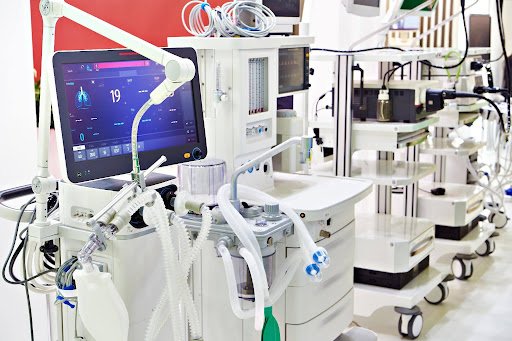
Healthcare providers are able to acquire important medical devices through medical equipment lending. Loan agreements provide financial flexibility in addition to providing quality patient care through either the expansion of services or the replacement of obsolete medical equipment. Understanding the various aspects of the contract, regulatory compliance, and liability protection will assist the healthcare provider in avoiding disputes and complying with U.S. healthcare laws.
Medical Equipment Lending: Understanding the Legal Basics
Healthcare providers who enter into any lending arrangement need to be aware that every contractual agreement creates legal liabilities for each party. It is recommended that providers thoroughly review their contracts, including documentation procedures, ownership terms, responsibilities to maintain the equipment, and payment conditions to avoid misunderstandings.
Having clearly defined terms within an agreement may also protect you should there be any problems related to equipment malfunctions or contract disputes. Taking time on the front end of the relationship to gain an understanding of the fundamentals of this type of agreement will allow you to operate your practice with a greater degree of confidence while reducing your chances of encountering unnecessary legal problems.
Key Legal Considerations for Small Practices
The importance of understanding equipment lending laws cannot be overstated when it comes to protecting your practice’s financial health, credibility, and patient safety. The following are key issues for all small healthcare practices to consider prior to entering into an equipment lending agreement.
1. Understand Liability and Insurance Requirements
The contract must define who is liable if the equipment malfunctions, causes damage to the patient, or sustains damage while being used. Also, all small practices should ensure that proper insurance is in place to cover all aspects of the equipment or provider while being lent out. A well-defined liability clause makes the agreement for the medical equipment lending a safer contract and decreases any potential financial liability to either party.
2. Review Contract Terms Thoroughly
Lending agreements typically contain the exact responsibilities of both the borrower’s and the lender’s obligations. Take the time to read through each clause thoroughly and pay careful attention to the following items: payment terms, length of contract, renewal options and early termination conditions. A detailed contract review will minimize future misunderstandings and ensure that your medical equipment lending agreements will remain open, legal and enforceable.
3. Regulatory Compliance Must be Met
Healthcare professionals are required to comply with federal, state and local regulations regarding the purchase and use of medical devices. Medical devices must comply with applicable safety standards, be properly licensed, and be placed into clinical use according to the manufacturer’s instructions prior to using them in a clinical setting. Compliance with these regulations will ensure that the medical equipment lending programs are safe to use and that there is no risk of being penalized or taking legal action due to a medical device that is not safe to use.
4. Maintenance Obligations and Repair Responsibilities
A lending agreement should define responsibilities for preventive maintenance, urgent repair, equipment calibration, and replacing defective pieces of equipment. Accurate record-keeping for maintenance helps prove compliance with laws governing health care. Clearly defined responsibilities for equipment maintenance improve medical equipment lending agreements and maintain continuous patient care.
5. Safeguard Patient Info and Documentation
Practices must verify compliance with HIPAA to provide adequate protection of sensitive medical data (or health information) for all equipment. Verify that all patient data has been erased before returning the equipment as per your policies. Strong privacy policies also add to the security of medical equipment lending, thus helping to keep the trust of patients.
Additional Steps to Reduce Legal Risk
To mitigate any legal risks related to equipment use, healthcare providers should implement internal policies in an effort to promote responsible use of equipment in addition to contract review and compliance activities. Healthcare providers should also provide their employees with training on how to use equipment, including the operating procedures, maintenance reporting, and documentation requirements.
Before proceeding to obtain a loan for medical equipment, it is important to compare available loans thoroughly and review all legal responsibilities before making any decision regarding the loan. Some providers may be able to get a small loan to pay for operating costs associated with that equipment as part of their financial strategy, thus giving them more financial flexibility.
Follow these recommended steps to improve the legal protections you have in place:
- Regularly review lending agreements from a legal perspective.
- Maintain accurate records of maintenance, inspections, and training.
- Before signing any complicated contract, consult an attorney with expertise in healthcare.
Final Words
Medical equipment lending is an important way for small health care practices to gain access to the technology they need to provide quality care. Understanding your obligations under the lease agreement and carefully reviewing the lease agreement will help you mitigate risk and promote quality patient care. By reviewing all elements of the lease, including contract terms, regulatory compliance, liability allocation and maintenance, as well as protecting your patients’ data, you can minimize exposure while maintaining a safe environment for your patients. For lenders and borrowers, having clear documentation and legal advice adds yet another layer of security. Small practices that take proactive measures to use equipment lending solutions can feel confident about being compliant with U.S. healthcare regulations as well as protecting their business over the long term.
READ ALSO: Event Marketing Tips for Small Businesses
Share this content: