
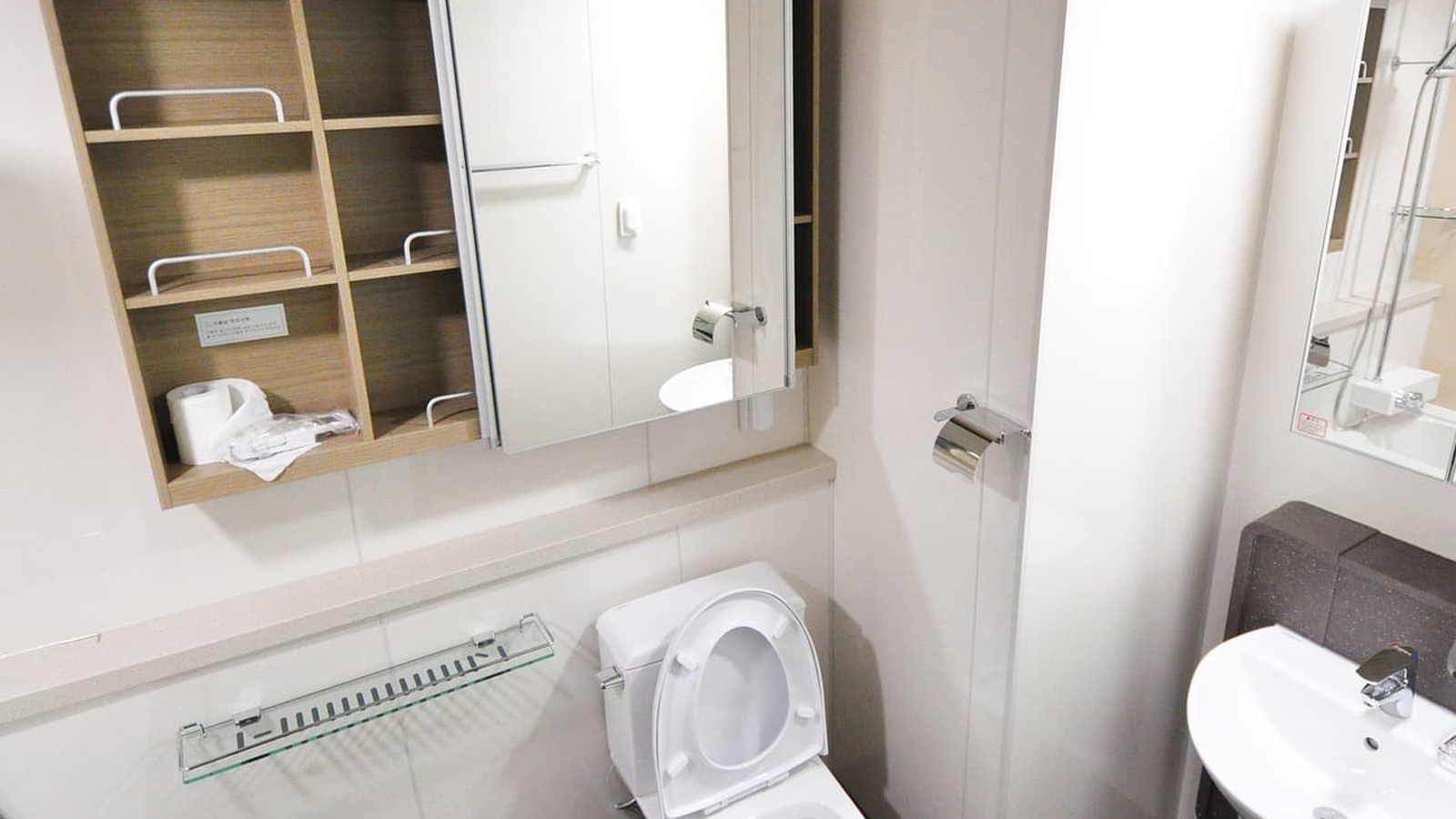
A diagnostic guide to recognising patterns, protecting the property and resolving the cause instead of repeatedly treating the symptom.
A toilet that will not clear or a sink that empties slowly is disruptive, but a repeat blockage is also information. It suggests that the first intervention may have restored a narrow passage without removing the underlying restriction, or that a structural, installation or usage problem continues to recreate it. Repeated callouts become expensive because each one deals with the latest overflow while the cause remains hidden.
The sensible response is not automatically a larger machine or a stronger chemical. It is a more structured diagnosis. Which fixtures are affected? Did the problem return after days, weeks or months? Does it appear during heavy use, after rain or when another appliance discharges? Where was the previous obstruction found, and was the pipe checked after clearance? Answers to those questions help distinguish a local trap problem from a blockage deeper in a branch drain, stack or underground run.
Treat an Active Overflow as a Containment Problem First
When wastewater is rising, stop adding water to the affected system. Do not keep flushing a toilet to “push it through” or run several taps to test whether the blockage has moved. Tell other occupants which fixtures must not be used. If water is approaching electrical equipment, vulnerable flooring or a lower level, isolate the area and obtain urgent professional assistance.
Keep people and pets away from contaminated water. Wear suitable protection if a small amount must be contained, and avoid spreading it through the property on footwear or cleaning tools. Photographs can record damage for a landlord, managing agent or insurer, but they should be taken without delaying safety measures.
An emergency response may prioritise restoring safe use. That is reasonable. The important point is to separate emergency clearance from complete diagnosis. Before the engineer leaves, ask what was found, what method was used and whether anything suggests that a follow-up inspection is needed.
Map the Pattern Across the Property
The pattern of affected fixtures often narrows the possible location. If one basin drains slowly while nearby fixtures work normally, the restriction may be close to that appliance. If a toilet bubbles when a bath empties, the shared branch or ventilation arrangement deserves attention. When several ground-floor fixtures back up together, the problem may lie farther downstream.
Write down the order in which symptoms appear. Note gurgling, odour, changing water levels and any relationship between fixtures. In a multi-storey building, record which floors are affected. In a conversion or shared property, ask whether neighbouring units have similar symptoms. A blockage that crosses occupancy boundaries may involve shared pipework and a different responsibility route.
This mapping is more useful than simply reporting “the drains are blocked again”. It gives the engineer a working hypothesis and helps avoid clearing the most accessible point while missing the actual restriction.
Separate Appliance, Trap and Pipework Causes
Sinks and toilets can fail for different reasons. A sink trap may collect fat, food particles, soap residue, hair or small objects. The waste pipe can also have inadequate fall, poor alignment or a long run that allows material to settle. A toilet may be obstructed by wipes, sanitary products, excess paper or an object, but repeated problems can also relate to scale, damaged connections or restrictions farther along the line.
The location and character of material matter. A soft local obstruction may be removed without extensive equipment. Mineral deposits or hardened fat can reduce the bore along a longer section and require a different cleaning method. Roots, displaced joints, cracks or a partial collapse will not be permanently solved by repeatedly cutting a hole through the blockage.
The engineer should choose the method after considering access, pipe material, condition and likely defect. Force is not a diagnosis. Aggressive equipment used without understanding the pipe can damage vulnerable systems or move a problem downstream.
Understand Why the Problem Returns
A drain can appear clear because water passes through a small opening. If deposits remain on the pipe wall, waste begins collecting again immediately. The interval before recurrence depends on how restricted the bore remains and how the system is used. A restaurant sink carrying grease can close faster than a lightly used domestic basin, while a misaligned external drain may collect material after every busy weekend.
Structural defects create repeat points. A displaced joint forms an edge that catches solids. Root ingress creates a net inside the pipe. A cracked or deformed section disrupts flow. Poor falls allow material to settle, and a redundant connection can create a pocket. Repeated blockage at the same measured distance is therefore a strong reason to obtain visual evidence.
Behaviour can also recreate the problem. Clearing a pipe without changing disposal practices will not prevent wipes, fat or food solids accumulating again. A complete solution may combine cleaning, repair and a practical change in use.
Avoid Chemical Escalation
Household drain products can sometimes help with a small local accumulation when used exactly as directed, but repeatedly adding chemicals to an unknown blockage creates risks. The product may remain trapped in standing water, exposing the occupant or engineer during later work. Mixing substances can produce heat, harmful fumes or violent reactions. Corrosive products may damage finishes and vulnerable pipework.
Never treat a blocked toilet as a chemical experiment. Do not combine products, and tell the attending engineer what has already been used. If a foreign object, structural defect or major grease deposit is responsible, chemicals will not provide a reliable repair.
DIY plunging or trap cleaning should also stop when the task exceeds safe access. If wastewater is returning through another fixture, a chamber is surcharging or the problem has repeated after earlier clearance, the system needs a broader investigation rather than more force at the nearest outlet.
Use Clearance as an Opportunity to Inspect
The best time to assess a drain is often after enough flow has been restored to clean and view the pipe. The engineer can identify where the obstruction was located, remove remaining deposits and decide whether a camera inspection is justified. A clear image is more informative than footage taken through dirty standing water.
For households comparing help with blocked toilets and sinks London, ask whether the proposed service is limited to restoring flow or includes checking the cause. There is nothing wrong with a clearly scoped emergency clearance, but the distinction should be understood. If the blockage has happened more than once, request an explanation of the recurrence risk and the evidence needed to reduce uncertainty.
Useful records include the access point, distance to the defect, material removed, condition observed and method used. These details allow future visits to build on evidence instead of starting again.
Know When a Camera Survey Adds Value
A camera survey is particularly useful when blockages repeat, structural damage is suspected, a repair must be designed or the route of the drain is unclear. It can reveal deposits, root ingress, open or displaced joints, cracks, deformation and obstructions. It can also show connections and changes in pipe material.
The camera has limitations. It cannot see through heavy deposits or around every obstruction, and an image must be interpreted with location and pipe context. The line may need cleaning first. A useful survey should identify the direction of travel, significant observations and, where possible, the distance or position of defects.
Ask what deliverable will be provided. A verbal statement may be enough for a simple domestic decision, while a repair quotation, property transaction or recurring commercial issue may justify footage, images and a written summary. The level of documentation should match the consequence of the decision.
Match the Method to the Material and Defect
Manual tools, powered cables, water jetting and specialist cutting equipment each have a place. A small object close to a fixture may be retrieved. A cable can break through or remove certain obstructions. Jetting can clean deposits along pipe walls, provided the pipe condition and access make it suitable. Root cutting may reopen a line but does not repair the route by which roots entered.
The method should be selected to achieve a defined result: remove an object, restore the full bore, clean a section before inspection or prepare a surface for repair. Ask how the engineer will know when the task is complete. Free flow alone may not prove that a heavily coated pipe is clean.
Where damage is found, clearance may be only the first stage. Localised lining, patch repair, replacement or excavation can be considered according to the defect, pipe and site. A reputable explanation should connect the proposed repair to visible evidence.
Clarify Responsibility Before Approving Major Work
Responsibility depends on where the affected pipe lies, what it serves and the arrangements for the property. A pipe serving one property within its boundary may fall to the owner or landlord, while shared or public sections can involve the sewerage company or another party. Flats, leasehold buildings and commercial premises may have management agreements that affect who instructs work.
Do not delay emergency containment while every boundary is investigated, but avoid authorising extensive repair without confirming the responsible asset. Ask the engineer to identify the likely route and access points. A managing agent, landlord or water company may need the findings.
Keep invoices, reports and photographs. If responsibility is disputed, a record of the symptoms, location and action taken will be more useful than a memory of the callout.
Request a Transparent Scope and Price
Drainage work can change once the pipe is accessed, but the starting scope should still be clear. Ask what the quoted attendance includes, which equipment is covered, how additional time is charged and whether a camera inspection, report or follow-up visit is separate. Confirm whether the price includes tax and disposal of material.
If repair is recommended, request the evidence, exact location, dimensions of the proposed work and method of verification. Compare proposals that solve the same defect. A cheaper clearance cannot be compared directly with a repair intended to prevent recurrence.
When engaging Quick Clear Drainage or another provider, explain the history at booking. A repeat problem may justify different equipment or time allocation from a first isolated blockage. Accurate information improves both the quotation and the chance of resolving the cause in one planned sequence.
Create a Prevention Plan That Fits the Building
Prevention begins with disposal habits. Keep fats, oils, food solids, wipes, sanitary products and building debris out of waste pipes. Use strainers where suitable and empty them regularly. In households, make sure every occupant understands that “flushable” marketing does not guarantee a product will pass through a particular drainage system without accumulating.
Commercial kitchens, salons, care settings and high-occupancy homes need routines matched to their use. The right interval for inspection or cleaning depends on loading, pipe condition and previous evidence. Fixed annual maintenance may be too frequent for one property and insufficient for another. Record what is found so the schedule can be adjusted.
External protection matters too. Keep gullies free of leaves and surface debris, but do not push material into the drain. During renovations, protect open pipes and test the system before finishes conceal access. Preserve chamber covers and avoid building permanent structures over important inspection points without appropriate planning.
Verify the Result Before Closing the Job
After clearance, the engineer should test relevant fixtures and observe flow at available access points. The test should be appropriate to the system rather than a token run of one tap. Ask whether the full bore was restored, whether any defect remains and what symptoms would justify a return visit.
Photographs or footage before and after work can be valuable where deposits were substantial or a repair has been completed. Confirm that chambers are securely closed, contaminated surfaces have been addressed and the area is safe to use. If water damage occurred, drainage recovery may need to be coordinated with drying, cleaning and repair work.
A written summary turns a callout into property knowledge. It allows the owner to update residents, plan maintenance and recognise recurrence early. Without that record, the next engineer may repeat the same investigation.
Final Perspective
A recurring blocked toilet or sink is not merely the same bad luck happening again. It is a pattern that deserves explanation. The most effective response moves in stages: contain the immediate risk, map the affected fixtures, clear safely, inspect where evidence justifies it, repair any defect and change the conditions that caused material to accumulate.
Quick fixes are valuable when they restore essential use, but they should not become a substitute for diagnosis. Ask where the blockage formed, what was removed, whether the pipe was cleaned fully and how the result was verified. Those questions turn an emergency expense into a decision about the long-term reliability of the building. When the answer is supported by location, images and a clear prevention plan, repeated disruption becomes far less likely.
Share this content: