
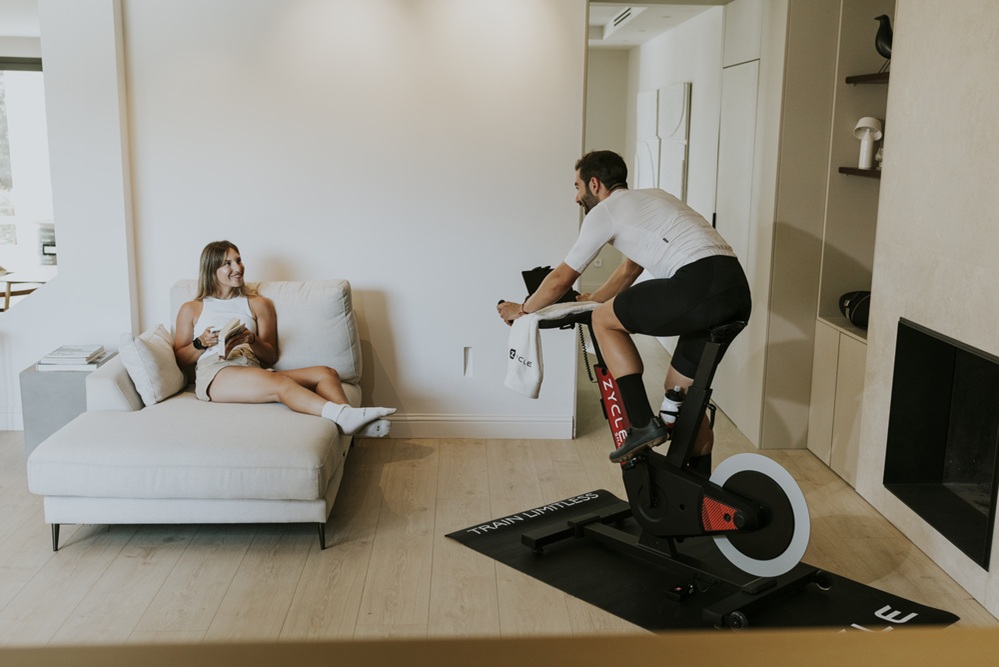
Home workouts have become increasingly popular in recent years, and indoor bikes have become one of the most widely used pieces of equipment for staying in shape. Before choosing a model, it is advisable to analyze several aspects that directly influence comfort, workout intensity, and the durability of the equipment. Factors such as product quality, the resistance system, adjustment capacity, and connectivity can make a significant difference in the overall training experience.
Quality and Features of the Bike
One of the first elements to evaluate is the quality of the model. There are many brands on the market, but not all offer the same level of reliability or performance. Choosing a well-built bike allows you to enjoy a more comfortable and safer training experience over the long term.
Among the available options, the brand ZYCLE stands out within the smart indoor bike segment. In its catalog available on its website, you can find models such as the ZBike 2.0 and the ZBike FREE. Both are designed to deliver a precise pedaling experience for home training as well as for users with more demanding performance expectations.
In addition to the overall quality of the equipment, it is also important to pay attention to design and ergonomics. Although the visual appearance can influence the purchasing decision, what truly matters is that the bike allows you to train comfortably. A well-designed structure makes it easier to maintain proper posture during extended training sessions.
Another essential element is adjustability. The ability to regulate the saddle, handlebars, or pedals allows the bike to be adapted to each user’s height and riding position. This level of personalization is key to avoiding discomfort and improving training efficiency.
Resistance System and Pedaling Feel
The resistance system determines the intensity of pedaling and the feeling the cyclist experiences during exercise. Indoor bikes mainly use two types of systems.
The friction system generates resistance through a component that presses against the bike’s internal flywheel. This mechanism is usually more affordable, although over time it may require maintenance due to wear.
The magnetic system uses magnets to generate resistance without direct contact between components. This type of mechanism typically provides smoother, quieter, and more precise operation.
Another important component is the flywheel, which directly affects pedaling smoothness. A heavier flywheel usually provides a more realistic and stable riding sensation. For intense training sessions, a weight of approximately 18 to 22 kilograms is recommended. For people who are just starting with indoor cycling, a flywheel close to 15 kilograms may be sufficient.
Technology, Comfort, and Stability
Modern indoor bikes increasingly incorporate technology to enhance the training experience. Many models can connect with sports applications such as Zwift, TrainerRoad, or Bkool. These platforms make it possible to ride virtual routes, compete with other users, or follow personalized training programs.
In addition, some bikes include LCD screens that display information such as speed, workout time, distance traveled, or calories burned. Other models allow you to use a smartphone or tablet to view training data.
Noise level is another aspect to consider when the bike is used at home. A quiet pedaling system allows you to train without disturbing other people. In many cases, it is also recommended to use an anti‑vibration mat to further reduce noise.
Finally, the stability of the structure is key to ensuring safe use. Heavier bikes generally provide a firmer base during pedaling. At the same time, many models include transport wheels that make it easy to move them when you need to reorganize space within the home.
The manufacturer’s warranty is also an important factor. Choosing well‑established brands provides greater support in case of issues. This type of warranty, together with equipment quality, explains why certain brands have positioned themselves as benchmarks within the European indoor bike market.
Share this content: