
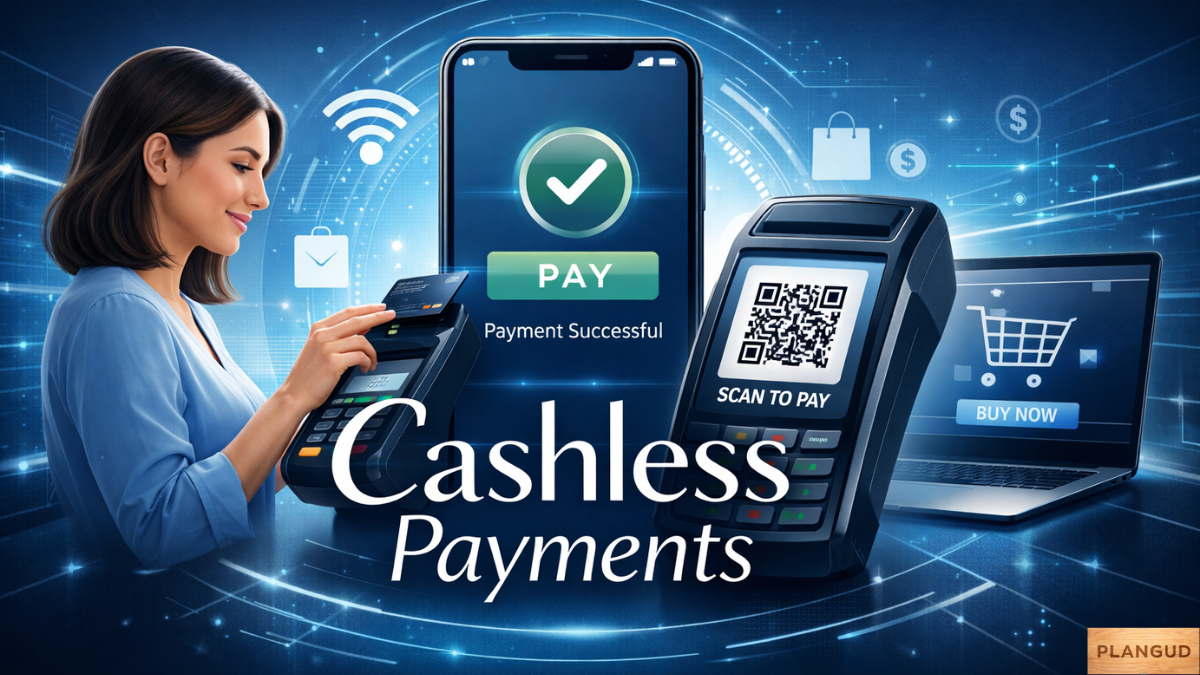
The shift toward cashless payments has transformed the way people buy goods and services. Instead of relying on physical money, modern digital payments allow funds to move electronically through secure digital payment systems. Whether someone taps a card at a store, scans a QR code, or pays online, the transaction happens instantly through interconnected financial transaction networks.
Understanding what cashless payments are and how cashless payments work is increasingly important as economies move toward a cashless economy. Consumers now regularly use contactless payments, mobile payment systems, and online payment systems to complete everyday purchases. These cashless transactions rely on technologies such as payment gateways, payment processors, and banking infrastructure that securely manage electronic fund transfer between accounts.
From small retail shops accepting QR code payments to large e-commerce platforms handling online checkout payments, digital payment technologies have become essential for both businesses and consumers.
What Is Cashless Payment?
A cashless payment refers to a transaction where money moves electronically instead of through physical currency. In a cashless payment system, the payer and receiver exchange funds using secure digital transactions processed by banks and financial institutions.
Common examples include card payments, mobile wallet payments, and real-time bank transfers. Instead of handing over cash, the transaction is processed through secure payment networks that connect banking systems, payment processors, and card networks.
These systems enable consumers to scan a QR code to pay, tap a card at a POS, or pay through online checkout. The result is faster and more convenient merchant payments, helping businesses and consumers interact within the growing digital commerce payments ecosystem.
How Cashless Payment Transactions Work
Behind every cashless transaction is a structured technical process involving payment infrastructure, banks, and communication networks.
Transaction Initiation and Customer Action
The first step is transaction initiation, when a customer begins a payment. This may involve scanning a QR code, entering card details online, or making POS payments using a card or mobile device.
The POS terminal or payment gateway captures transaction information such as the payment amount and card details. These systems act as entry points to the broader online payment systems used by merchants.
Authorization and Payment Processing
Once the payment details are captured, the system sends an authorization request through the payment gateway or payment processor. The request travels through the card network to the customer’s issuer bank, while the merchant is connected through the acquirer bank.
During payment authorization, the issuing bank verifies account balance, checks for fraud using fraud detection systems, and confirms the validity of the transaction. Modern systems rely on encryption, authentication, and two-factor authentication to ensure strong data protection and cybersecurity.
If the request is approved, payment processing continues, and the transaction moves toward completion.
Clearing and Settlement in Digital Transactions
After authorization, the payment enters the clearing and settlement phase. During this stage, the transaction details are grouped using batch processing, and the funds transfer occurs between the issuer bank and acquirer bank.
Once the process is complete, the merchant receives payment, often within one or two business days. This final transaction completion ensures funds reach the merchant’s account while maintaining transparency across secure payment networks.
Types of Cashless Payment Methods
There are several widely used cashless payment methods, each supported by different financial technologies.
E-Wallets and Digital Wallet Applications
Modern digital wallets allow users to store payment information securely and make fast mobile wallet payments. Popular platforms include PayPal, Google Pay, and Apple Pay, which allow users to complete tap-to-pay transactions with smartphones.
These systems use contactless payment technology and strong security layers such as tokenization and authentication to protect financial data.
Mobile Banking and App-Based Payments
Many banks now offer mobile banking applications that allow customers to perform instant bank transfers, pay bills, and send money directly from their accounts.
These apps connect directly with banking systems and enable seamless real-time bank transfers, making them a reliable alternative to traditional payment methods.
UPI and Real-Time Bank Transfer Systems
One of the most successful real-time payment infrastructures is UPI (Unified Payments Interface), operated by NPCI (National Payments Corporation of India).
Through apps such as BHIM (Bharat Interface for Money), users can transfer money instantly between bank accounts using mobile devices. Systems like Aadhaar Payment App also allow biometric-based digital transactions, expanding financial inclusion and enabling payments even without smartphones.
Benefits of Cashless Payments for Customers
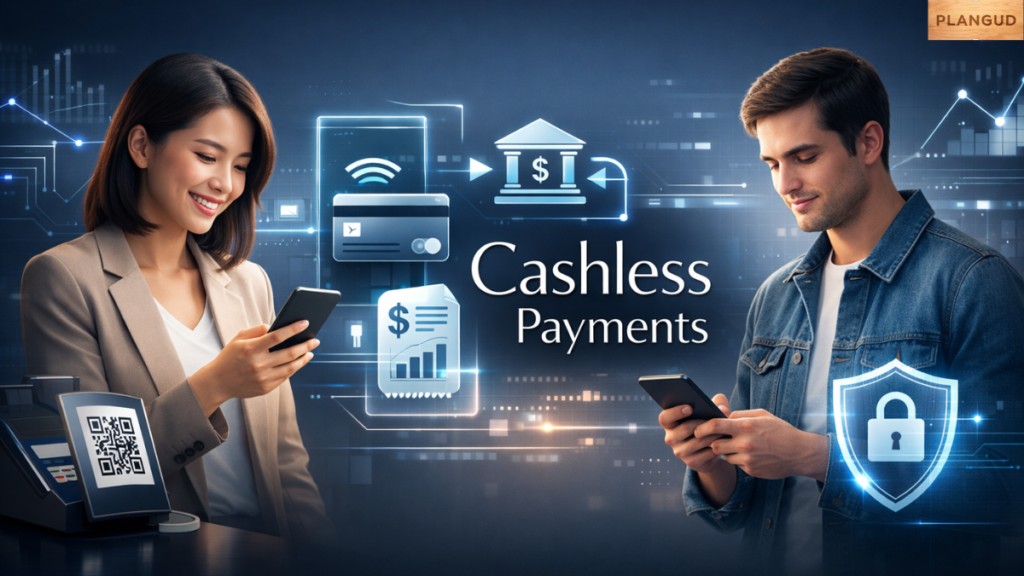
The benefits of cashless payments are clear for modern consumers. One major advantage is convenience. People can make smartphone payments, perform instant bank transfers, or use QR code payments without needing physical cash.
Cashless transactions also provide better financial visibility. Digital records, digital receipts, and transaction histories help consumers track spending and manage budgets.
Security is another benefit. Modern digital payment systems rely on encryption, authentication, and real-time fraud detection tools to reduce risks associated with cash theft or financial fraud.
Advantages of Cashless Payment Systems for Businesses
Businesses benefit significantly from adopting a cashless payment system. Digital payments reduce the risks associated with handling physical cash and streamline accounting processes.
Many businesses now upgrade POS systems to support contactless payments, enabling faster checkout experiences. Merchants also integrate payment gateways into their websites to support online checkout payments and global digital commerce payments.
By using payment processors and monitoring digital transactions, businesses gain insights into purchasing trends and customer behavior. This data can improve pricing strategies, inventory planning, and marketing efforts.
Potential Risks and Disadvantages of Cashless Payments
Despite the advantages, there are still risks of cashless payments. Digital systems depend heavily on internet connectivity and stable infrastructure. A network outage can temporarily disrupt online payment systems or POS payments.
Cyber threats also remain a concern. Criminals may attempt phishing attacks, malware injections, or data breaches targeting secure payment networks. Strong cybersecurity, data protection, and fraud detection technologies help mitigate these risks.
Small businesses may also face challenges during implementation, including equipment costs, staff training, and the need to train staff for digital payments.
You may also like: AmateurAllRue
How Businesses Can Set Up a Cashless Payment System
Implementing a cashless payment system requires careful planning. Businesses typically begin by evaluating which cashless payment methods customers prefer.
Retailers often install modern POS terminals that support tap-to-pay transactions and QR code payments. Online businesses typically integrate payment gateways into their e-commerce platforms.
Successful adoption also requires operational support. Businesses must monitor digital transactions, provide customer support for payments, and provide electronic receipts to maintain transparency and trust.
The Future of Cashless Payments and the Digital Economy
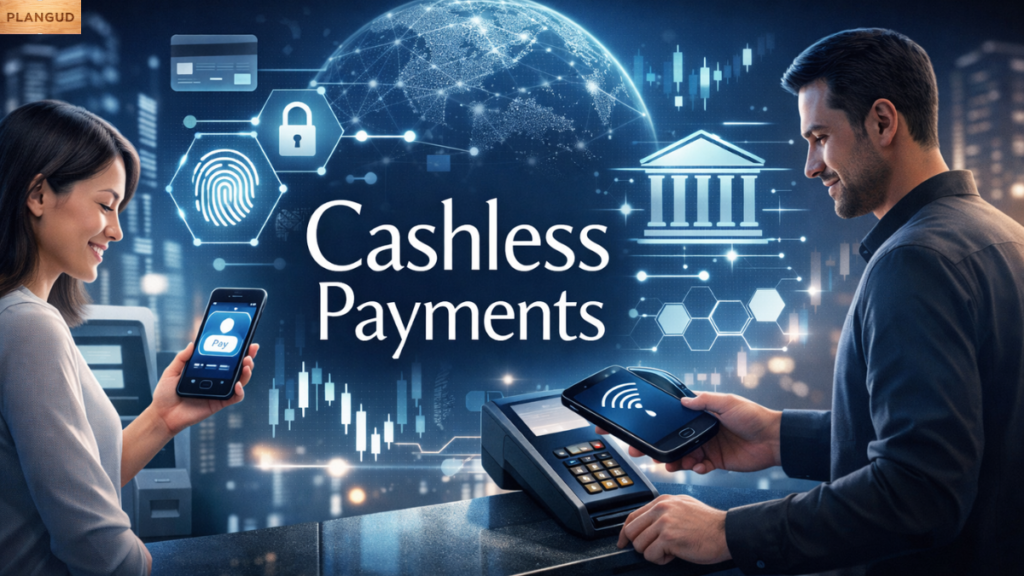
The future of cashless payments is closely tied to the expansion of the global cashless economy. As smartphones become more widespread and financial technologies advance, mobile payment systems and real-time bank transfers will continue to grow.
Governments and financial institutions are investing heavily in digital infrastructure to improve financial inclusion and support merchant digital payments. Innovations such as biometric authentication, AI-driven fraud detection, and blockchain-based payment technologies are expected to further strengthen digital payment systems.
With increasing digital commerce growth, cashless transactions will likely become the standard method of payment in many sectors of the economy.
Conclusion
The evolution of cashless payments reflects a broader shift toward digital financial ecosystems. Modern cashless payment systems allow consumers and businesses to conduct secure digital transactions through integrated financial transaction networks and advanced payment infrastructure.
From contactless payments and mobile wallet payments to real-time bank transfers powered by platforms like UPI, digital payments offer convenience, efficiency, and improved transparency.
As the global cashless economy expands and new technologies emerge, digital payments will continue to reshape how people exchange value, making commerce faster, more secure, and more accessible for everyone.
FAQs
1. What are cashless payments, and how do they work?
Cashless payments are transactions where money moves electronically instead of using physical cash. They work through digital payment systems that connect banks, payment processors, and secure payment networks to transfer funds instantly between the payer and the merchant.
2. What are the most common types of cashless payment methods?
The most widely used cashless payment methods include card payments, mobile wallet payments, QR code payments, and real-time bank transfers such as UPI (Unified Payments Interface). Platforms like PayPal, Google Pay, and Apple Pay allow users to pay quickly using smartphones or online accounts.
3. Are cashless payments safer than using cash?
In many cases, cashless transactions are safer because they use encryption, authentication, and advanced fraud detection systems. Unlike physical cash, digital payments can be tracked, monitored, and reversed in some cases if fraudulent activity is detected.
4. Do businesses need special equipment to accept cashless payments?
Most businesses need a POS terminal or an integrated payment gateway to accept digital payments. Many merchants also work with payment processors that handle authorization, security, and settlement of transactions through banking networks.
5. What are the biggest risks of cashless payments?
The main risks of cashless payments include cybersecurity threats, internet outages, and potential privacy concerns. However, strong data protection, two-factor authentication, and modern cybersecurity practices significantly reduce these risks for both consumers and businesses.
Share this content: