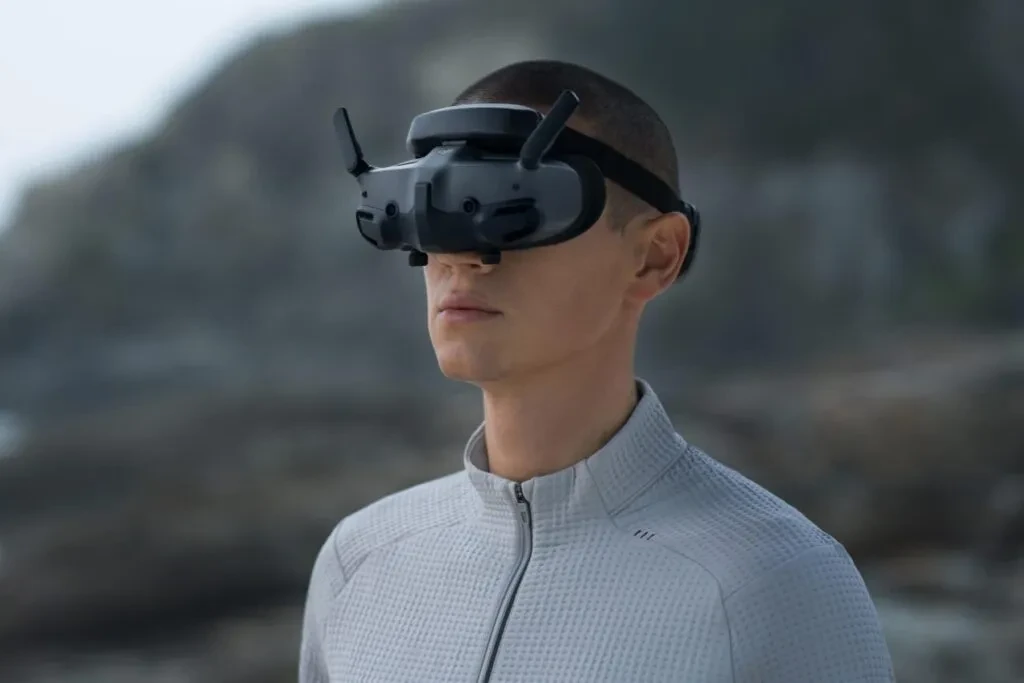
FPV goggles are one of the most important pieces of equipment for immersive drone flying. Unlike traditional camera drones that rely on a smartphone screen or external monitor, FPV drones provide a first-person view experience through a dedicated headset.
A good pair of goggles allows pilots to see exactly what the drone sees, making precise control possible during racing, freestyle, cinematic flights, and exploration.
However, choosing the right goggles can be challenging because the FPV market now includes multiple technologies, including traditional analog systems and modern digital video platforms.
Understanding the differences between these systems helps pilots select equipment that matches their flying style, budget, and performance expectations.
What Are FPV Goggles?
FPV goggle is wearable video receivers that display live footage transmitted from the drone’s camera.
The complete FPV video system usually includes:
- FPV camera
- Video transmitter (VTX)
- Antennas
- FPV goggles
The camera captures the view from the drone, the VTX sends the video signal, and the goggles display the live image to the pilot.
This real-time connection creates the immersive experience that makes FPV flying unique.
Why FPV Goggles Are Important
The quality of FPV goggles directly affects:
- Flight accuracy
- Situational awareness
- Flying confidence
- Overall enjoyment
A poor video system may create:
- High latency
- Low image quality
- Signal interruptions
- Eye fatigue
For beginners, comfortable and reliable goggles can make learning much easier.
For experienced pilots, advanced video performance can improve racing results and cinematic control.
Analog FPV Goggles: Traditional and Affordable
Analog FPV systems have been used by pilots for many years and remain popular because of their affordability and reliability.
Advantages of analog systems include:
Low Cost
Analog equipment is generally more affordable, making it attractive for beginners.
Pilots can build a complete FPV setup without a large initial investment.
Low Latency
Analog systems typically provide very fast video response.
This makes them popular among racing pilots who prioritize immediate control feedback.
Wide Compatibility
Many older and budget FPV cameras and transmitters use analog technology.
This creates a large ecosystem with many available components.
However, analog video quality is usually lower compared with modern digital systems.
Digital FPV Goggles: High-Quality Video Experience
Digital FPV systems have become increasingly popular because they provide significantly improved image quality.
Advantages include:
- Higher resolution
- Cleaner image
- Better detail recognition
- Improved viewing experience
Digital systems are especially popular among:
- Cinematic FPV pilots
- Freestyle pilots
- Pilots who value image quality
Modern digital platforms have changed the expectations of FPV video performance.
Analog vs Digital FPV: Key Differences
Image Quality
Digital systems provide sharper images and more details.
Analog systems have lower resolution but remain functional and reliable.
Latency
Analog systems traditionally have slightly lower latency.
Digital systems continue improving and now provide excellent real-time performance.
Price
Analog setups are usually more affordable.
Digital systems require more investment but offer better visual quality.
Equipment Compatibility
Analog systems work with many existing FPV components.
Digital systems often require matching cameras, transmitters, and goggles.
Important Features When Choosing FPV Goggles
When selecting goggles, pilots should consider several specifications.
Display Resolution
Higher resolution provides:
- Clearer images
- Better details
- Improved viewing comfort
For cinematic flying, resolution is especially important.
Field of View (FOV)
Field of view affects how immersive the experience feels.
A wider FOV can provide a more natural flying experience.
However, extremely wide displays may require adjustment depending on personal preference.
Comfort and Ergonomics
FPV pilots often wear goggles for long periods.
Important comfort factors include:
- Weight
- Face padding
- Head strap design
- Balance
Heavy goggles may cause discomfort during extended sessions.
Receiver Compatibility
Before purchasing goggles, pilots should confirm compatibility with their video system.
Different ecosystems may require specific:
- Cameras
- Video transmitters
- Firmware
- Accessories
Choosing a compatible system prevents unnecessary equipment changes.
Choosing FPV Goggles for Beginners
Beginners often benefit from starting with equipment that is:
- Easy to use
- Affordable
- Compatible with common components
- Comfortable
Many new pilots choose analog systems because they provide a lower-cost entry point.
Others prefer digital systems because better image quality can make learning easier.
The best choice depends on budget and long-term goals.
Choosing FPV Goggles for Racing
Racing pilots usually prioritize:
- Low latency
- Reliable signal
- Comfortable operation
- Fast response
A few milliseconds of delay can affect competitive performance.
Therefore, racing pilots often focus more on responsiveness than maximum image quality.
Choosing FPV Goggles for Freestyle and Cinematic Flying
Freestyle and cinematic pilots usually value:
- High-definition video
- Better image clarity
- Immersive experience
When performing:
- Smooth dives
- Mountain flights
- Complex maneuvers
clear video feedback helps pilots maintain better control.
The Importance of Choosing a Reliable FPV Equipment Supplier
The FPV ecosystem includes many different components, and compatibility between products is extremely important.
Specialized FPV suppliers such as MEPSKING help pilots explore different equipment options by providing information about components, accessories, and system requirements.
A professional FPV resource allows users to compare specifications and understand which products match their intended application.
Common Mistakes When Buying FPV Goggles
Choosing Only Based on Price
The cheapest option may not provide the comfort or performance needed for enjoyable flying.
Ignoring Compatibility
Always confirm that goggles work with the selected camera and video transmitter system.
Overlooking Comfort
Uncomfortable goggles can reduce flying time and enjoyment.
Buying Without Considering Future Plans
A system that supports future upgrades may provide better long-term value.
Conclusion
FPV goggles are the window between the pilot and the drone. Choosing the right system improves immersion, control, and overall flying experience.
Analog systems remain popular because of affordability and reliability, while digital systems provide advanced image quality and modern features.
By understanding display quality, latency, compatibility, and comfort, pilots can select FPV goggles that match their needs.
Whether you are a beginner learning FPV or an experienced pilot upgrading your equipment, the right goggles can transform the way you experience drone flight.
Share this content: