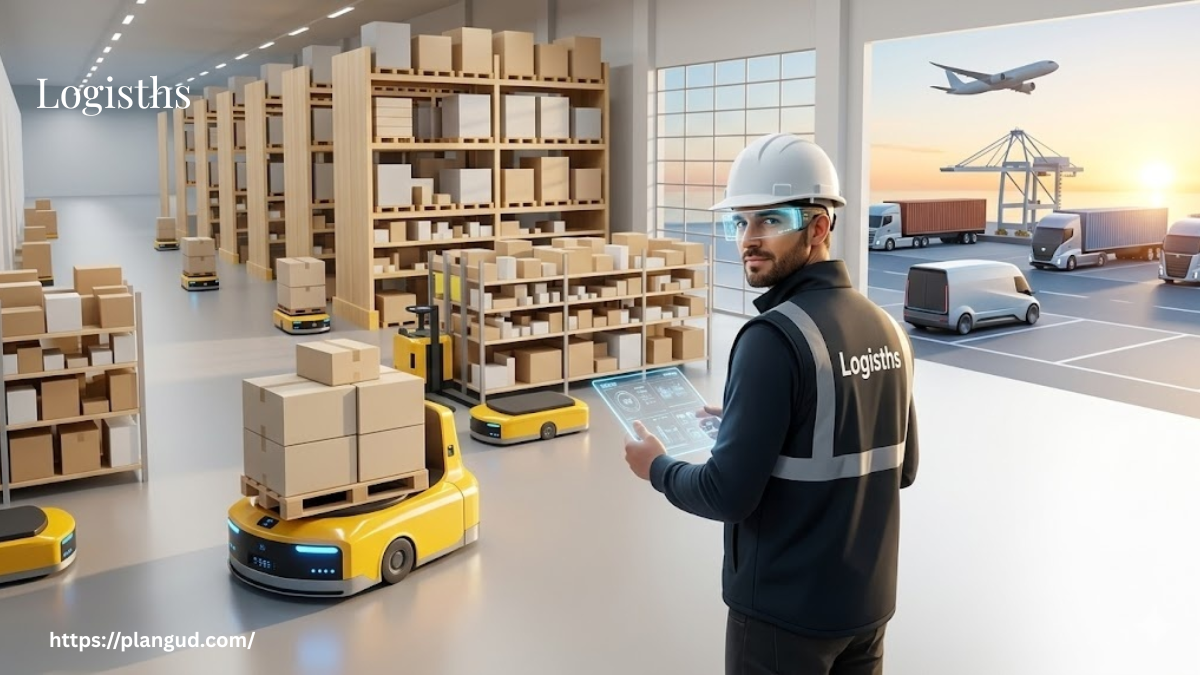
When you look at most modern supply chains, they seem perfect on paper: optimized processes, automated systems, and sleek dashboards. But here’s the truth: they’re fragile. Efficiency may look good, but when disruptions happen—whether from a supplier issue, weather delays, or sudden demand spikes—everything unravels. This is where Logisths steps in. It’s not just a logistics framework; it’s a system designed to address the real challenge most companies face today: decision velocity.
Most companies focus on optimizing operations for steady conditions, yet the real game-changer is adapting quickly to the unexpected. Logisths isn’t about more tools or better visibility. It’s about human-in-the-loop decision-making, fast-response systems, and predictive analytics that enable your supply chain to adjust in real-time. This shift in focus from visibility to decision velocity is the key to building a supply chain that can handle complexity and change.
The Hidden Cost of “Efficient” Supply Chains That Still Fail Under Pressure
Let’s face it: efficiency is overrated in unpredictable environments. Supply chain leaders often prioritize cost reduction, smooth routing, and inventory management, but these systems break when things go off-track. Imagine an e-commerce company that’s optimized its entire delivery network—efficient routes, minimal stockouts, perfect scheduling.
It looks flawless on paper, but when an unexpected demand spike occurs, the whole system collapses. Efficiency only works when everything goes as planned. Logisths shifts the focus from simply making things efficient to making them resilient—capable of handling surprises without missing a beat.
Why Traditional Logistics Optimization Is Quietly Creating More Risk, Not Less
Traditional systems focus on making supply chains lean—getting rid of excess stock, cutting costs, and tightening the process. While this works in theory, it can create hidden vulnerabilities. The tightness that comes with these optimized systems leaves no room for error. When something goes wrong—such as a sudden spike in demand, an unexpected weather event, or a delay from a supplier—the entire chain is vulnerable.
In fact, a system that’s designed for efficiency can become brittle under stress. Logisths, on the other hand, focuses on adaptive systems that continuously correct themselves, ensuring operations continue even during disruptions.
The Shift That Actually Matters: From Visibility to Decision Velocity
Visibility is essential, but it’s not enough. While dashboards and tracking systems let you see problems as they arise, they don’t help you solve them any faster. That’s where decision velocity comes in. Logisths isn’t just about knowing something’s wrong. It’s about knowing quickly and acting even faster.
In industries like e-commerce or manufacturing, delays in decision-making can lead to lost revenue and frustrated customers. Improving decision speed through better tools and frameworks is the key to mitigating disruption and maintaining an edge in a fast-moving world.
How Logisths Turns Forecasting From Guesswork Into Continuous Correction
Traditional forecasting is static. It’s based on data from past months or years, and while that’s helpful, it often doesn’t account for sudden shifts in the market. Logisths replaces static forecasting with continuous correction.
This means your system is always adapting—whether that’s predicting demand shifts, adjusting for supply delays, or recalculating inventory levels. Predictive analytics drive this continuous learning, turning the supply chain into a dynamic system that evolves alongside changing conditions.
How One Team Cut Delays Without Adding New Tools
One e-commerce company faced major delays, despite using state-of-the-art software for inventory management, routing, and tracking. The real issue wasn’t the tools—it was the workflow. Decisions on rerouting shipments, adjusting stock levels, or negotiating with suppliers required too much approval.
The solution wasn’t more tools—it was empowering the right team members to act faster. They implemented Logisths principles, cutting decision times and allowing staff to make real-time adjustments without waiting for top-level approval. This simple change—speeding up decision-making—cut delays significantly and improved customer satisfaction.
What a Failed Rollout Teaches About Logisths Implementation
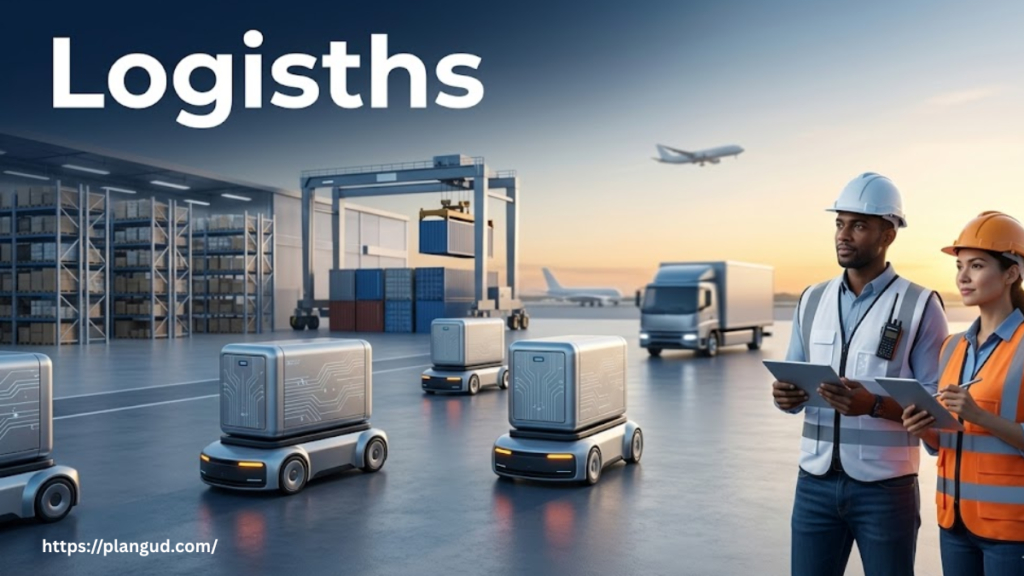
Not every implementation goes smoothly. In one case, a major company invested heavily in AI-driven forecasting and automation. However, they relied too much on automated systems and didn’t leave enough room for human intervention. When a disruption hit—something the system wasn’t programmed to handle—it took too long for humans to step in and make the necessary adjustments.
The result was significant delays and missed deliveries. Logisths isn’t about removing humans from the loop; it’s about creating a system where humans can intervene intelligently when automation reaches its limits. Trusting automation too much, without considering its limitations, can lead to failure.
Why More Data Can Make Your Supply Chain Slower
Data overload is a common problem. You may have real-time tracking, sales analytics, and inventory metrics, but all that data doesn’t always help you make better decisions. In fact, too much data can slow down your system as people spend more time sifting through information than taking action.
Logisths solves this by filtering out the noise, leaving only the signals that matter most. By focusing on actionable insights rather than drowning in information, you increase speed and reduce the risk of decision paralysis.
Human-in-the-loop Systems That Prevent Blind Automation
Automation is powerful, but it isn’t perfect. Many companies attempt to fully automate their supply chain operations, only to find that systems fail when they encounter unpredictable situations. The best systems incorporate a human-in-the-loop approach, where machines handle routine tasks, but humans make the judgment calls during anomalies or complex scenarios. This approach ensures that your supply chain isn’t just efficient—it’s also flexible and able to make the right call when things go wrong.
Designing for Disruption First, Efficiency Second
Most companies design their systems for efficiency first, but what if they designed them to handle disruption first? It sounds counterintuitive, but it’s exactly what Logisths advocates. By focusing on how systems will behave during disruptions—rather than optimizing them for steady conditions—you ensure that the entire supply chain is resilient. Once you build this adaptability, efficiency naturally follows.
The One Metric That Predicts Whether Your Supply Chain Will Scale or Break
Forget about tracking cost per shipment or inventory turnover. The one metric that determines whether a supply chain will scale successfully is decision latency—the time it takes to make a critical decision after a disruption occurs. High decision latency leads to missed opportunities and increased costs, while low decision latency ensures that your system can recover quickly and continue functioning smoothly. Logisths is all about improving decision latency, making it the true scalability indicator.
Where Most Companies Waste Money When “Implementing Logisths”
Companies often waste significant money on new tools when implementing Logisths. They invest heavily in AI systems, cloud platforms, and IoT devices, expecting these technologies to solve all their problems. However, without addressing the workflow and decision processes, even the best tools won’t deliver results. The key to success is ensuring that your systems and workflows are optimized for speed and flexibility—not just efficiency.
You may also like: GMHIW
Why Incremental Adoption Outperforms Full Transformation Every Time
When implementing Logisths, companies often go for full-scale transformations, assuming that a quick overhaul will solve all their problems. However, this approach can lead to resistance, confusion, and disruptions. The better strategy is to start small, with one process, one decision-making bottleneck, or one improvement. As the new system proves its worth, you can scale it gradually, learning and adapting along the way. This incremental adoption method not only reduces risk but also fosters better long-term success.
Conclusion
To build a smarter supply chain, you need to shift your focus. Logisths isn’t just about adding more tools—it’s about changing how decisions are made. For industries that deal with uncertainty and volatility, like e-commerce, manufacturing, and healthcare, Logisths offers a path forward. If you’re looking for efficiency without the ability to adapt, this system might not be for you. But if you’re ready to redesign your decision-making framework and build a supply chain that can survive disruption, Logisths is the way to go.
FAQs
Is Logisths too complex for small businesses to implement?
No, Logisths can be scaled to fit businesses of all sizes, but it requires a mindset shift. While large companies may have more resources to adopt complex tools, small businesses can still benefit by focusing on decision speed rather than just automation.
Should I avoid Logisths if my supply chain is relatively stable?
Yes, if your supply chain rarely faces disruptions or unpredictable challenges, the implementation of Logisths may not justify the investment. Logisths shines in environments with high variability or constant market changes.
What are the long-term risks of over-relying on Logisths?
The long-term risk of over-relying on Logisths is becoming too dependent on automation for decision-making and losing the ability to think critically during unexpected crises. While Logisths is designed to optimize real-time decisions, it should never completely replace human oversight.
What happens when Logisths doesn’t scale as expected?
When Logisths fails to scale, it’s typically due to improper integration with existing workflows or systems. This can create inefficiencies instead of eliminating them. For example, attempting to scale too quickly without addressing foundational decision-making processes leads to bottlenecks in communication or poor adaptation to market changes.
Can Logisths be a liability during a major crisis or disruption?
Yes, Logisths can be a liability if not properly adapted to extreme disruptions. The system is designed to handle typical fluctuations and challenges, but a catastrophic event like a natural disaster, large-scale economic disruption, or unprecedented supply chain breakdowns could overwhelm its predictive models and decision algorithms.
Share this content: