
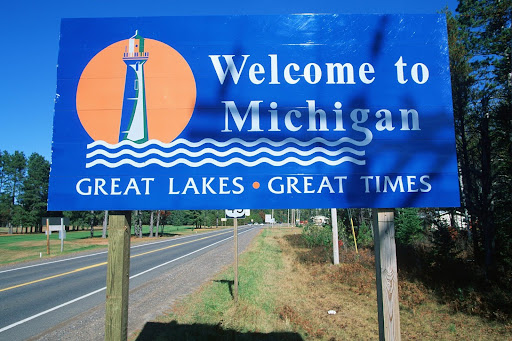
Michigan’s grant landscape reflects the state’s deep commitment to community revitalization, economic development, and social support systems. From large urban centers like Detroit to rural communities across the Upper Peninsula, grant funding plays a vital role in helping nonprofits address local challenges and expand essential services. Across the state, grant awards are being used not only to sustain programs, but to create long-term impact in areas such as workforce development, housing, education, healthcare, and environmental restoration.
One significant area of grants investment in Michigan is economic mobility and workforce development. Nonprofits receiving funding have used grants to create job training programs that focus on skilled trades, technology, and manufacturing—industries that remain central to Michigan’s economy. These programs often include certification courses, apprenticeships, and job placement services, helping individuals transition into stable employment. Grant funding has allowed organizations to purchase training equipment, hire instructors, and expand outreach efforts to underserved populations, particularly in cities experiencing economic transition.
Housing and community revitalization are also major priorities for grant funding in Michigan. In cities like Detroit, grants for nonprofits have received substantial grants to rehabilitate vacant properties, develop affordable housing, and support neighborhood stabilization initiatives. These funds are often used to renovate existing homes, provide down payment assistance, and offer financial counseling to first-time homebuyers. By addressing housing challenges, nonprofits are helping to rebuild communities, reduce blight, and improve overall quality of life for residents.
Healthcare and public health initiatives represent another critical use of grant funding across Michigan. Nonprofits have used grants to expand access to healthcare services, particularly in underserved and rural areas. Funding has supported mobile health clinics, mental health counseling programs, and substance abuse recovery services. In response to the opioid crisis, several organizations have implemented outreach programs and treatment services funded by grants, providing life-saving resources and support to individuals and families affected by addiction.
Education-focused grants continue to play a central role in Michigan’s nonprofit sector. Funding has been used to support early childhood education programs, after-school initiatives, and college readiness programs for students in low-income communities. Nonprofits have leveraged grant awards to provide tutoring, mentorship, and scholarship opportunities, helping students overcome barriers to academic success. In many cases, grants have also been used to integrate technology into classrooms, ensuring that students have access to modern learning tools.
Environmental and sustainability initiatives are another growing area of grant funding in Michigan. With the Great Lakes playing a crucial role in the state’s ecosystem and economy, nonprofits have received grants to support water conservation, pollution reduction, and habitat restoration projects. Funding has been used to clean up waterways, promote sustainable agricultural practices, and educate communities about environmental stewardship. These initiatives not only protect natural resources but also contribute to long-term economic and public health benefits.
Food security and agriculture programs have also benefited from grant funding across Michigan. Nonprofits have used grants to expand food banks, support community gardens, and improve access to fresh, healthy food in underserved areas. In both urban and rural communities, funding has enabled organizations to develop local food systems that reduce reliance on external sources while promoting nutrition and sustainability. These programs are particularly important in addressing food insecurity and supporting vulnerable populations.
Arts and culture grants have contributed to the revitalization of communities throughout Michigan. Funding has been used to support local artists, cultural programs, and public art initiatives that enhance community identity and engagement. Nonprofits have organized festivals, exhibitions, and educational programs that bring communities together while also supporting economic activity through tourism and local business engagement.
Collaborative grantmaking has become an increasingly effective approach in Michigan. Foundations, corporations, and public agencies often pool resources to address large-scale challenges such as economic inequality, education gaps, and public health issues. These collaborative efforts allow nonprofits to access larger funding pools and implement comprehensive programs that would not be possible through smaller, individual grants. By working together, funders and nonprofits can create more coordinated and impactful solutions.
Capacity-building grants are another important component of Michigan’s funding ecosystem. Rather than focusing solely on program delivery, some grants are designed to strengthen the internal operations of nonprofits. Organizations have used this funding to upgrade technology systems, improve financial management, and invest in staff development. These improvements enhance the overall effectiveness and sustainability of nonprofit organizations, enabling them to serve their communities more efficiently.
In conclusion, grant awards in Michigan demonstrate how targeted funding can drive meaningful and lasting change. Nonprofits across the state are using grants to address critical issues such as economic development, housing, healthcare, education, and environmental sustainability. By investing in both programs and organizational capacity, grant funding helps create stronger, more resilient communities. Michigan’s diverse funding landscape continues to support innovative solutions and long-term progress, ensuring that nonprofits can make a measurable difference in the lives of those they serve.
Share this content: