
If you’re researching Miami, Florida, Verenigde Staten as a destination, relocation option, or cultural hub, this guide provides a complete, experience-driven look at the city beyond surface-level tourism. From Miami tourism and Miami attractions to living in Miami, understanding the city’s geography, multicultural identity, and waterfront lifestyle helps visitors and future residents make informed decisions.
As a tropical coastal city shaped by migration, architecture, and global trade, Miami offers more than beaches. It combines heritage tourism, urban skyline living, and a strong travel economy with evolving environmental planning and lifestyle considerations.
Miami is not just a place to visit; t’s a dynamic global city defined by maritime history, cultural diversity, and continuous reinvention.
Geography & Natural Environment
Miami’s’s geography plays a central role in how the city lives and grows. Positioned between Biscayne Bay and Everglades National Park, Miami is shaped by inland wetlands, mangrove ecosystems, and sawgrass marshes that define its environmental identity.
This coastal location supports a strong waterfront lifestyle, where boating, marinas, and waterfront dining are everyday realities. The balance between high-rise urbanization and protected ecosystems makes Miami unique among U.S. cities.
Environmental planning increasingly addresses sea-level rise and coastal resilience, shaping infrastructure, housing, and urban development decisions.
Miami Climate & Weather
The tropical climate supports year-round tourism and outdoor living. Winters remain mild and attract peak Miami tourism, especially from November to April when humidity is lower and cultural festivals thrive.
Summer introduces intense heat, storms, and hurricane season, requiring preparedness for both visitors and residents. Understanding seasonal weather patterns supports smarter travel planning and relocation decisions.
Miami’s climate directly influences its beach culture, outdoor living culture, and tourism economy.
History of Miami
The History of Miami begins long before modern development. The Tequesta civilization lived along the bay centuries before incorporation in 1896.
In the late 19th century, Julia Tuttle and Henry Flagler helped establish Miami’s growth through railroad expansion and land development. The 1920s land boom shaped its architectural identity and tourism foundations.
Following the Cuban Revolution, large-scale Cuban migration transformed Miami into a multilingual city with strong Latin American and Caribbean influences, creating the cultural and economic identity seen today.
Architecture & Urban Identity
Miami’s built environment reflects its history and ambition. The Art Deco Historic District and Ocean Drive represent its iconic 1930s visual identity, while Brickell’s skyline showcases modern global finance and urban growth.
Landmarks like Vizcaya Gardens, Biltmore Hotel, and Coral Gables highlight heritage preservation alongside innovation.
Architecture connects Miami’s 1920s land boom, tourism expansion, and modern urban skyline development.
Major Neighborhoods in Miami
South Beach
South Beach blends beach culture, nightlife, and Art Deco heritage. Anchored by Lummus Park, it represents Miami’s tourism identity and global appeal.
Little Havana
Little Havana, centered on Calle Ocho and Domino Park, reflects Cuban migration, exile community history, and the daily rhythm of cafecito culture. Institutions like Versailles Cafeteria anchor community identity.
Brickell & Downtown Miami
Brickell operates as a global business hub tied to international finance and real estate. Nearby Downtown Miami includes HistoryMiami Museum, reinforcing cultural preservation alongside economic growth.
Wynwood
Wynwood is defined by street art culture and the Wynwood Walls, representing the city’s creative economy and urban reinvention.
Top Miami Attractions & Travel Experiences
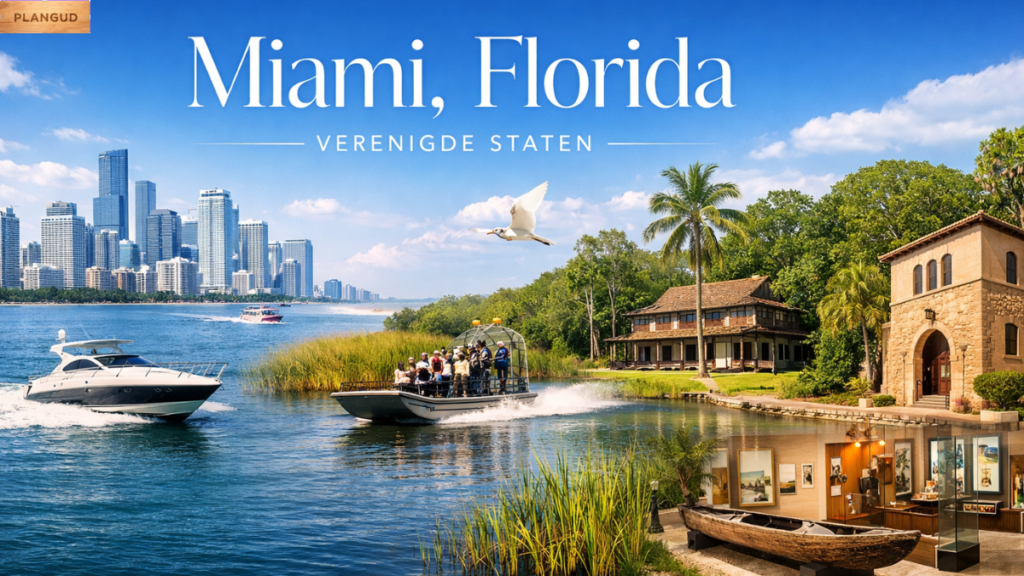
Beyond beaches, Miami attractions include layered travel experiences shaped by nature and heritage.
Boat cruises across Biscayne Bay, airboat tours in Everglades National Park, and visits to Barnacle Historic State Park highlight the city’s ecological and historical depth.
Hidden experiences in Coconut Grove, heritage sites, and cultural museums support meaningful heritage tourism and authentic exploration beyond typical tourist routes.
Miami Culture & Lifestyle
Miami culture and lifestyle reflect a blend of migration, language, and creativity. Food, music, and art shape everyday identity.
From Cuban coffee windows to Caribbean seafood and Latin festivals, Miami’s multicultural identity is visible in daily life. Public spaces support outdoor living culture, street art, and waterfront gatherings.
Music, nightlife, and festivals strengthen the city’s social energy and tourism appeal.
Economy & Global Influence
Miami serves as a gateway between North America and Latin America. Trade, aviation, tourism, and finance drive its global position.
The city’s economy benefits from international investment, a growing technology sector, and strong real estate demand. This combination reinforces Miami’s role as both a tourism destination and an economic hub.
Living in Miami & Relocation Considerations
Living in Miami offers lifestyle advantages such as warm weather, access to beaches, and cultural diversity. Professionals benefit from global connectivity, and families value bilingual education and outdoor living.
However, housing costs, relocation considerations, and climate adaptation planning remain important. Residents must prepare for humidity, hurricanes, and rising property demand.
Balancing lifestyle benefits withthe cost of living and environmental planning is essential for long-term relocation decisions.
You may also like: Antarvacna
Environmental & Urban Challenges
Miami continues addressing sea-level rise, housing affordability, and infrastructure expansion. Urban planning increasingly focuses on coastal resilience, sustainable development, and transportation improvements.
The city’s history shows a pattern of adaptation — from hurricanes to migration waves — shaping long-term resilience strategies.
Conclusion
Miami, Florida, a United States,n stands at the intersection of culture, geography, and global movement. From the Tequesta civilization roots to modern multicultural identity, its story reflects migration, innovation, and environmental adaptation.
For travelers, Miami offers a diverse travel guide experience beaches, heritage, cuisine, and nature. For residents, it presents an opportunity alongside responsibility in planning for climate, cost, and growth.
Miami is not defined by a single narrative. Its identity evolves through tourism, culture, architecture, and waterfront living, a complexity that continues to attract visitors, investors, and communities from around the world.
FAQs
1. Is Miami, Florida, a safe place for tourists and new residents?
Yes, Miami is generally safe in well-known areas like Miami Beach, Brickell, and Downtown, especially with normal precautions. Like any major city, safety varies by neighborhood, so researching where to stay or live is important.
2. Is Miami only about beaches, or is there more to explore?
Miami offers much more than beaches, including cultural districts like Little Havana, art spaces such as Wynwood, and nature experiences in Everglades National Park. The city blends history, cuisine, architecture, and global culture in ways many visitors don’t expect.
3. How expensive is living in Miami compared to other U.S. cities?
Living in Miami can be costly, particularly for housing in popular areas like Brickell and Miami Beach. However, no state income tax and strong job opportunities in tourism, finance, and tech help offset some expenses.
4. What time of year is best for visiting Mia, mi Florida, United States?
The best time to visit is typically November through April, when the weather is mild, dry, and ideal for outdoor activities. Summer travel is still popular but comes with higher humidity and hurricane season considerations.
5. Is Miami a good place to relocate for work or business opportunities?
Miami attracts entrepreneurs and professionals due to its international business links, tourism economy, and growing tech presence. It’s especially appealing for those seeking global connectivity and a lifestyle-focused work environment.
Share this content: