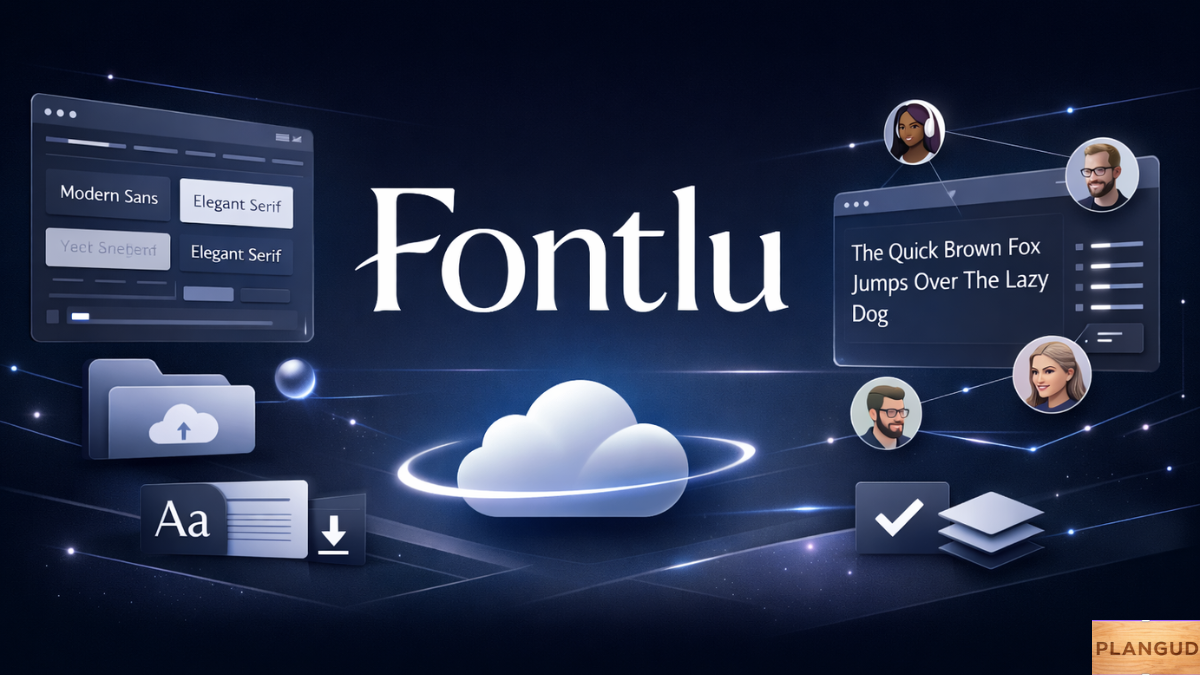
Typography shapes how audiences experience a brand, product, or interface. If you’re looking for a smarter way to organize type assets, streamline collaboration, and maintain brand consistency, a structured font management system becomes essential. Fontlu positions itself as a modern cloud-based font platform built to improve the entire typography workflow from discovery to integration.
Instead of scattered folders and outdated files, designers can rely on a centralized font dashboard, structured font library organization, and real-time collaboration tools. The goal is simple: reduce friction, improve digital typography, and strengthen every visual identity system across platforms.
What Is Fontlu?
Fontlu is a smart font management platform designed to simplify how teams organize, preview, and deploy typography. It acts as a cloud-based font manager that centralizes assets, supports creative collaboration, and integrates with leading design environments.
As a typography management tool, it connects:
- font storage
- preview environments
- team workflows
- design system integration
The result is a more structured cross-platform typography workflow.
Why Font Management Matters
Without structured systems, typography becomes fragmented. Teams use different files, outdated versions, or unlicensed fonts. This disrupts visual hierarchy, weakens branding strategy, and slows productivity.
Strong enterprise font management ensures:
- clear font licensing compliance
- consistent visual identity system
- efficient design productivity
- improved UI readability testing
Typography becomes infrastructure rather than decoration.
Who Can Benefit From Fontlu?
Professionals working across multiple channels benefit most:
- branding agencies
- marketing teams
- UI designers
- web developers
- enterprise design teams
Any organization needing cross-platform typography and cloud collaboration can use Fontlu to simplify asset control and maintain consistency.
Product Understanding & Credibility
The Vision Behind Fontlu
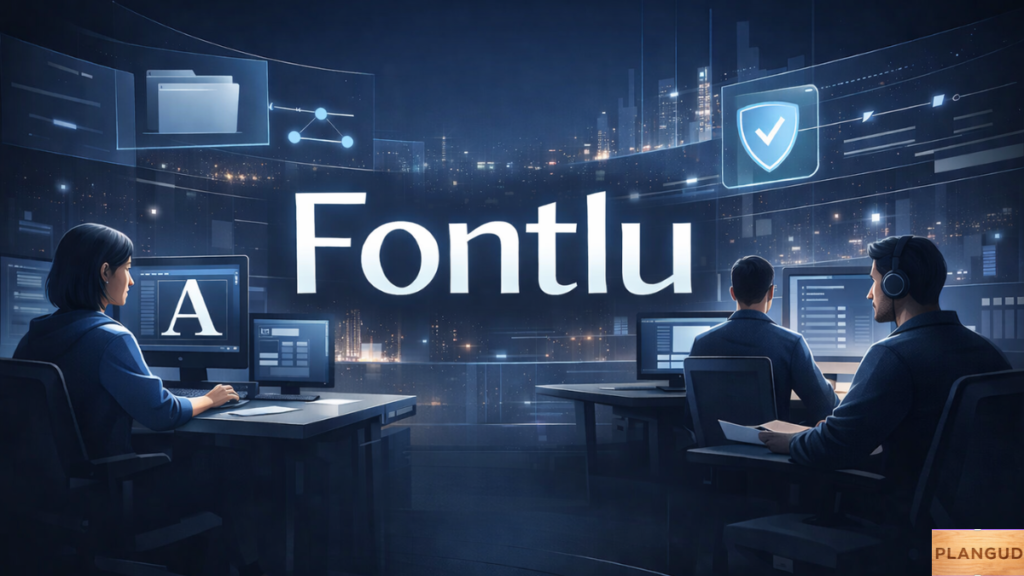
The platform was built around workflow clarity. Designers often lose time managing assets instead of creating. Fontlu aims to streamline font workflow automation, reduce licensing risks, and enable structured creative collaboration across departments.
Key Features of Fontlu
The platform supports modern typography operations through:
- real-time font preview
- font pairing engine
- centralized font dashboard
- font activation tools
- structured font categorization by style/mood
These features support a scalable digital design workflow.
Extensive Font Collection
Fontlu supports major font import/export formats such as TrueType (.TTF), OpenType (.OTF), and WOFF. Teams can manage libraries that include typefaces like Lato, Roboto, and Open Sans.
Designers can:
- organize collections
- tag styles
- manage access rights
- maintain font licensing compliance
This structure strengthens brand consistency.
Font Pairing Suggestions
Typography depends on balance. A structured font pairing engine suggests combinations that support visual hierarchy and readability.
This reduces guesswork and strengthens design decisions across marketing, product interfaces, and editorial layouts.
Live Preview Functionality
The built-in real-time font preview allows designers to test typography instantly. Teams can evaluate:
- kerning and line spacing control
- hierarchy and scale
- UI readability testing
- side-by-side comparisons
This improves responsive typography decisions early.
Easy Download and Integration
Fontlu integrates with tools including Figma, Adobe XD, Adobe Fonts, Adobe Creative Cloud, and Canva. Teams using Canva Pro can sync typography through the Brand kit.
The platform also supports:
- API integration
- CDN (Content Delivery Network) workflows
- export to TrueType (.TTF) and OpenType (.OTF)
This strengthens design system integration.
Practical Use & Real-World Value
Why Designers Choose Fontlu
Designers choose Fontlu because it simplifies cross-platform typography, improves cloud collaboration, and supports consistent workflows.
In large campaigns, centralized management prevents duplication, lost files, and inconsistent branding.
Accessibility and Simplicity
The interface supports structured navigation through:
- library browsing
- preview panels
- project workspaces
This accessibility allows both designers and marketers to operate within a unified digital design workflow.
How Fontlu Enhances Branding
Typography directly affects recognition. Without centralized systems, teams risk inconsistency.
Fontlu strengthens its branding strategy by ensuring:
- approved font usage
- consistent visual hierarchy
- aligned marketing materials
Typography becomes a strategic brand asset.
Fontlu for Web and App Designers
Modern digital products demand responsive typography and performance-optimized assets.
Web teams benefit from:
- structured testing environments
- UI-ready typography previews
- consistent system deployment
This ensures cross-platform typography across apps, websites, and interfaces.
You may also like: Prizmatem
Advanced Perspective & Decision Stage
Tips for Making the Most of Fontlu
To maximize value:
- standardize naming conventions
- Maintain font licensing compliance records
- create reusable font kits
- Audit inactive assets
- Align typography with brand systems
Treat typography as part of your infrastructure.
Future of Typography with Fontlu
The future of digital typography is evolving toward:
- variable fonts
- AI-assisted selection
- dynamic responsive typography
- deeper design system integration
Industry leaders like Monotype already highlight these transitions. Platforms such as Wix, Toptal, and Sv Templates demonstrate how typography is becoming a core digital asset.
Organizations like Rite Aid and Universal Music Group have faced issues due to improper licensing (e.g., Neutraface usage), reinforcing the need for structured font compliance tracking.
Fontlu is positioned to support this shift with scalable workflows and automation.
Conclusion
Typography is no longer just visual—it is operational. A structured font management platform like Fontlu helps organizations build consistency, protect compliance, and improve creative efficiency.
Whether integrating with Figma, Adobe XD, Canva, or internal systems via API, centralized workflows reduce friction and strengthen brand outcomes.
For freelancers, it simplifies asset control.
For agencies, it strengthens collaboration.
For enterprises, it supports scalable enterprise font management and governance.
In a landscape shaped by variable fonts, responsive typography, and evolving design systems, adopting a smarter typography management tool is no longer optional—it’s strategic.
FAQs
What makes Fontlu different from other font management tools?
Fontlu combines font storage, preview, licensing control, and team collaboration in one cloud-based workflow. Unlike basic font managers, it focuses on cross-platform consistency and real-time usability for design teams.
Is Fontlu suitable for beginners or only professional designers?
Fontlu is designed for both beginners and professionals. Its simple dashboard and guided setup make it easy to start, while advanced features like integrations and compliance tracking support experienced design workflows.
Can Fontlu prevent font licensing and legal issues?
Yes, Fontlu helps teams manage licensing documents, track usage, and maintain compliance. This reduces the risk of accidental violations and protects brands from costly redesigns or legal disputes.
Does Fontlu improve brand consistency across teams and platforms?
Fontlu centralizes approved fonts, pairings, and typography systems so everyone uses the same assets. This ensures visual consistency across websites, marketing materials, and product interfaces.
When should a business switch to a font management platform like Fontlu?
Businesses should consider switching when managing multiple brands, campaigns, or team members using shared typography. A centralized system improves efficiency, reduces confusion, and supports scalable design operations.
Share this content: