For many Australians, the mere sound of a high-pitched dental drill or the clinical scent of a surgery is enough to trigger a physiological stress response. This deep-seated apprehension often leads to deferred appointments, resulting in minor issues spiralling into complex oral health crises. However, a revolutionary shift in patient care is transforming these experiences from harrowing to harmonious. Sleep dentistry, once reserved for major oral surgery, is now a mainstream solution that allows patients to literally dream through their treatment.
The End of Dental Phobia
Dental anxiety is not merely a case of the “jitters”; for a significant portion of the population, it is a paralysing phobia. Traditional local anaesthesia numbs the pain but does nothing to quell the psychological distress of being conscious during a procedure. Sleep dentistry—technically known as sedation dentistry—bridges this gap by addressing the mind as well as the body. By inducing a state of deep relaxation or controlled unconsciousness, practitioners can perform necessary work while the patient remains blissfully unaware of the sights, sounds, or sensations of the clinic.
Precision and Efficiency in Care
One of the most significant advantages of this approach is the ability to consolidate multiple treatments into a single session. In a standard setting, a patient requiring several fillings, a root canal, and a crown might need four or five separate visits due to the physical and mental exhaustion involved. Under sedation, the dentist can work with greater precision and speed because the patient is perfectly still and relaxed. This “one-stop” efficiency is a game changer for busy professionals and those who find it difficult to take frequent time off work for dental maintenance.
Safety and Sophistication
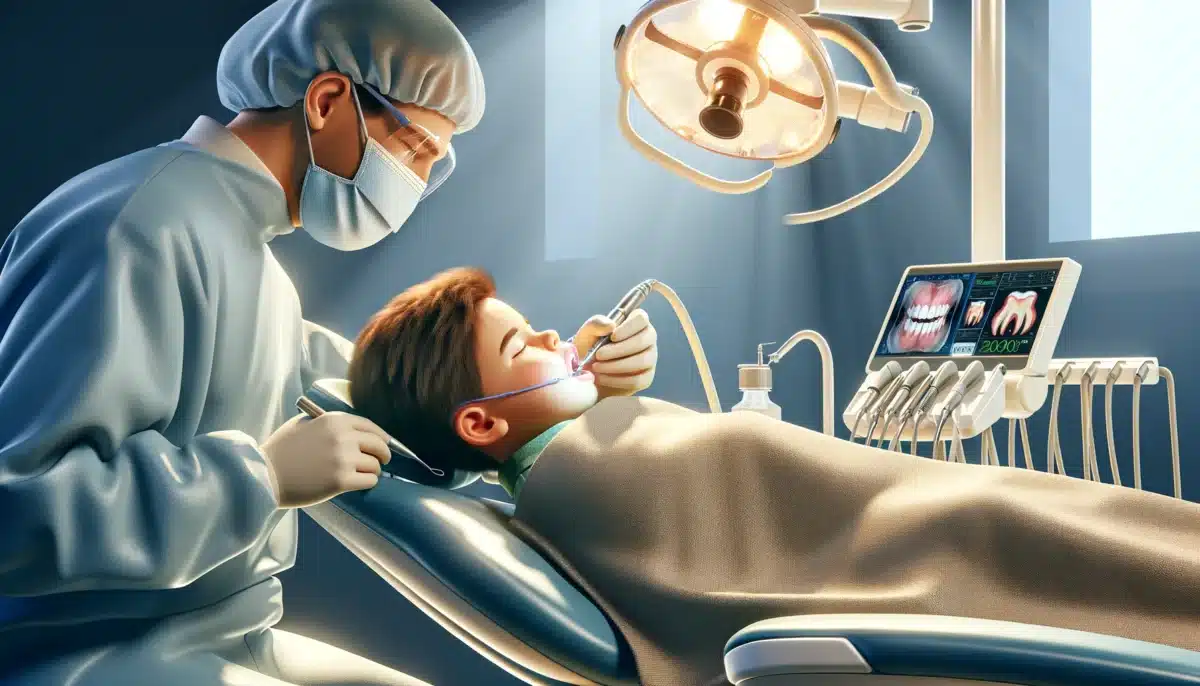
Modern dental practices have evolved significantly in their pharmacological offerings. Patients are no longer limited to a “one size fits all” approach. Instead, clinicians utilise advanced sedation techniques in modern sleep dentistry to tailor the level of consciousness to the specific needs of the individual. Whether it is intravenous (IV) sedation, which leaves the patient in a “twilight” state where they can still follow simple instructions but will remember nothing, or general anaesthesia for more complex cases, the safety protocols are rigorous. Monitoring equipment tracks heart rate, oxygen levels, and blood pressure throughout, ensuring the process is as safe as it is comfortable.
The Physical Benefit of Relaxation
Beyond the psychological relief, there are physiological benefits to being sedated during dental work. Patients with a sensitive gag reflex often struggle with traditional dentistry, making it difficult for the dentist to access the back of the mouth. Sedation effectively suppresses this reflex. Furthermore, because the body is not tensing up in response to stress, patients often report significantly less muscle soreness in the jaw and neck following long procedures. The recovery period is frequently smoother because the trauma of the “fight or flight” response has been bypassed entirely.
Changing the Narrative for the Next Generation
The impact of sleep dentistry extends beyond the individual in the chair; it is instrumental in breaking the cycle of generational dental fear. When parents can approach their own dental health without dread, they project a sense of calm to their children. Furthermore, specialised sedation methods are becoming increasingly vital in paediatric care. By ensuring a pain-free and fear-free introduction to the dentist, we can focus on overcoming dental anxiety in children, setting the foundation for a lifetime of proactive oral hygiene and health.
A New Era of Oral Health
The transition toward sleep dentistry represents a move toward more empathetic, patient-centric healthcare. It acknowledges that oral health is inextricably linked to mental well-being. By removing the barrier of fear, more Australians are seeking the care they need, leading to a general improvement in public health outcomes. No longer must a trip to the dentist be an ordeal to be survived; with the right sedation approach, it can be as simple as closing your eyes and waking up with a healthier, brighter smile. As technology continues to advance, the “drill and fill” era is being replaced by a more sophisticated, serene experience that puts the patient’s comfort at the very heart of the practice.
Share this content: